هل زجاجات المياه الزجاجية صحية أكثر؟
إذا كنت تريد الإجابة البسيطة أولاً، فهي نعم في معظم حالات الاستخدام اليومي. عادةً ما تكون زجاجة المياه الزجاجية المصنوعة جيدًا والخالية من الرصاص خيارًا صحيًا أكثر من الزجاجة البلاستيكية. وذلك لأن الزجاج غير تفاعلي وغير سام ولا يحتوي على مادة BPA. كما أنه لا تتساقط منه جزيئات بلاستيكية من جدار الزجاجة نفسها. ومع ذلك، فإن كلمة “أكثر صحة” لا تعني الكمال. تعتمد الإجابة الحقيقية على ما تقارن به الزجاج، وكيفية استخدامه، وما إذا كانت الزجاجة مصنوعة من زجاج حديث مخصص للطعام أو من الكريستال المزخرف أو الأواني الزجاجية القديمة.
في مجموعة Jingbo Group، ننظر إلى هذه المسألة من جانب التعبئة والتغليف ومن جانب المستخدم النهائي. يريد المشترون زجاجة تبدو نظيفة وممتازة. ويريد المستخدمون زجاجة يمكنهم الوثوق بها كل يوم. وغالبًا ما يلبي الزجاج كلا الاحتياجين في نفس الوقت. فهو يحافظ على سطح تلامس بسيط وثابت للمياه. كما أنه يساعد الناس على تجنب بعض المخاوف التي جعلت العديد من العائلات والعلامات التجارية تبتعد عن أواني الشرب البلاستيكية على مدار السنوات الماضية.
لماذا يُنظر إلى الزجاج في كثير من الأحيان على أنه خيار صحي أكثر
أحد الأسباب الرئيسية لذلك هو أن الزجاج مستقر كيميائيًا. ويصف ملحق جامعة ولاية أيوا الزجاج والفولاذ المقاوم للصدأ والسيراميك بأنها غير تفاعلية وغير سامة. وتقول أيضًا أن هذه المواد لا تطلق مواد كيميائية أو سموم في الطعام. ويوضح الاتحاد الأوروبي لزجاج الحاويات FEVE أن الزجاج غير مسامي ولا يمتص السوائل أو الغازات. في الاستخدام اليومي، هذا يعني أن الزجاجة أقل عرضة للاحتفاظ بالروائح أو النكهات أو البقع من الاستخدام السابق. يميل الماء إلى أن يكون طعمه مثل الماء وليس مثل طعم الحاوية.
هذه النقطة مهمة أكثر مما يعتقد الكثير من الناس. فالزجاجة ليست مجرد وعاء. إنها أيضًا مادة تلامس الطعام. عندما يسأل الناس عما إذا كان الزجاج أكثر صحة، فإنهم غالبًا ما يسألون حقًا عما إذا كانت الزجاجة تضيف أي شيء غير مرغوب فيه إلى المشروب. في حالة الزجاجة الزجاجية القياسية الخالية من الرصاص، عادةً ما تكون الإجابة قليلة جداً. وهذا هو أحد الأسباب التي جعلت الزجاج يحتفظ بسمعة قوية في تغليف الأطعمة والمشروبات لفترة طويلة. من وجهة نظرنا في مجموعة Jingbo Group، هذه إحدى نقاط القوة الأساسية للزجاج كمادة.
والسبب الآخر هو أن الزجاج لا يعتمد على هيكل البلاستيك القائم على BPA. يقول المعهد الوطني الأمريكي لعلوم الصحة البيئية إن BPA يستخدم بشكل رئيسي في بلاستيك البولي كربونات وراتنجات الإيبوكسي، ويمكن العثور عليه في بعض زجاجات المياه وغيرها من المنتجات التي تلامس الطعام. تشير NIEHS أيضًا إلى أن BPA يمكن أن يتسرب إلى الطعام والمشروبات. تقدم Mayo Clinic نصيحة بسيطة للمستهلكين هنا: استخدم الزجاج أو الخزف أو الفولاذ المقاوم للصدأ للأطعمة والسوائل الساخنة بدلاً من العبوات البلاستيكية. يزيل الزجاج هذه المادة بطريقة مباشرة.
هذا لا يعني أن كل زجاجة بلاستيكية غير آمنة تلقائيًا. بل يعني أن الزجاج يخفض فئة واحدة من القلق. إذا كان الشخص يرغب في تقليل ملامسة المواد البلاستيكية المرتبطة بـ BPA، فإن استخدام الزجاج هو طريقة مباشرة للقيام بذلك. بالنسبة للعديد من المستهلكين، هذا وحده سبب كافٍ لاختياره لمياه الشرب اليومية. أما بالنسبة للعلامات التجارية، فهي أيضًا نقطة قيمة واضحة لأن الفائدة سهلة الشرح وسهلة الفهم.
مسألة الجسيمات البلاستيكية الدقيقة
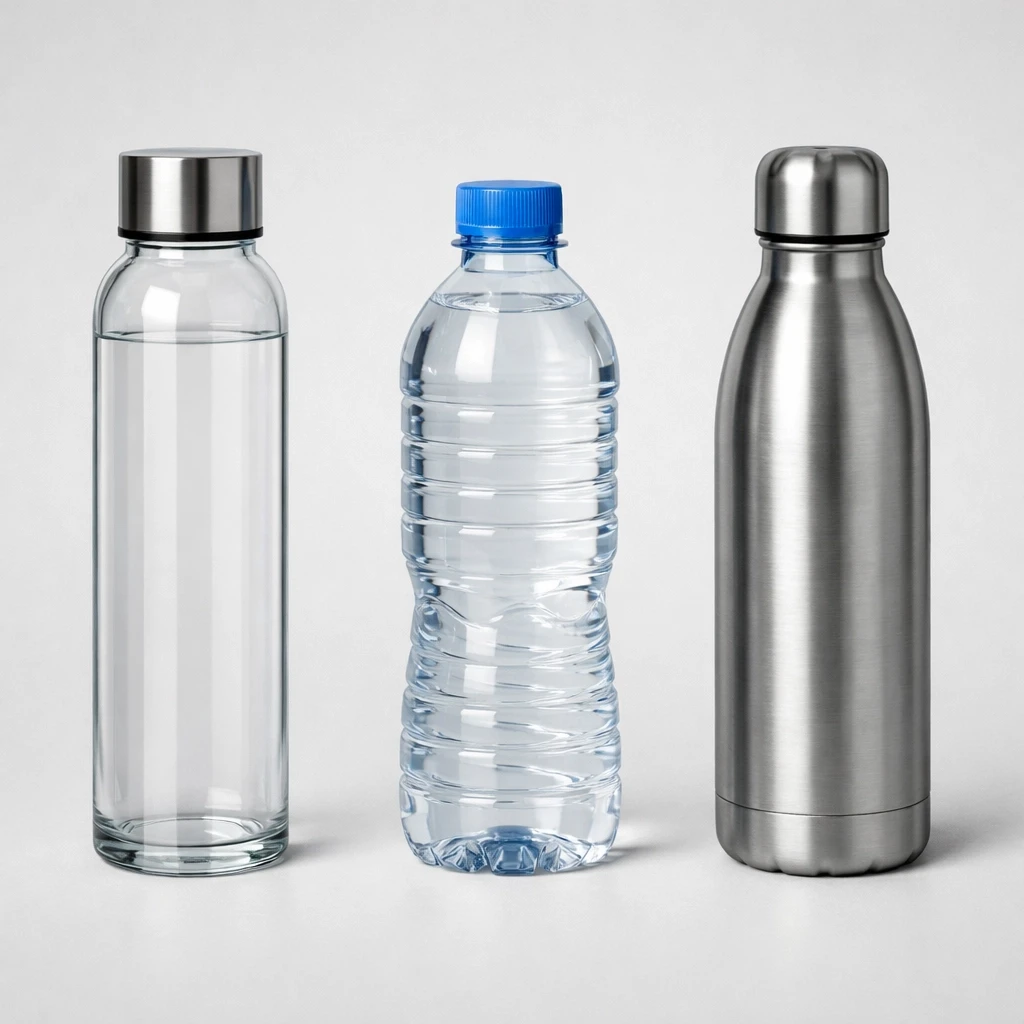
السبب الثاني الذي يجعل الناس يتجهون إلى الزجاج هو القلق المتزايد بشأن اللدائن الدقيقة واللدائن النانوية. يحتاج هذا الجزء إلى صياغة دقيقة. تظهر الأدلة بالفعل أن جزيئات البلاستيك موجودة في مياه الشرب، وخاصة المياه المعبأة في زجاجات. وجدت مراجعة منهجية أجريت عام 2020 تلوثًا بالبلاستيك الدقيق في كل من مياه الصنبور والمياه المعبأة في زجاجات، مع وجود مستويات أعلى في المياه المعبأة في زجاجات. كما وجدت مراجعة أجريت عام 2022 وجود جزيئات بلاستيكية دقيقة في كلا المصدرين وأبلغت عن مستويات أعلى في المياه المعبأة في زجاجات مقارنة بمياه الصنبور في الدراسات التي استعرضتها.
في عام 2024، سلطت المعاهد الوطنية للصحة الضوء على بحث أظهر أن المياه المعبأة الشائعة ذات الاستخدام الواحد تحتوي على آلاف الجسيمات البلاستيكية الصغيرة، بما في ذلك جزيئات بلاستيكية نانوية أصغر بكثير كان من الصعب قياسها من قبل. وأفادت دراسة PNAS ذات الصلة عن وجود أعداد كبيرة جدًا في الزجاجات المختبرة. وفي الوقت نفسه، قالت منظمة الصحة العالمية إنه لا تزال هناك حاجة إلى إجراء المزيد من الأبحاث لتحديد المخاطر الصحية الكاملة من الجسيمات البلاستيكية الدقيقة في مياه الشرب. لذا فإن البيان الصادق ليس أن العلم قد حسم بالفعل كل النتائج الصحية. بل البيان الصادق هو أن ملامسة البلاستيك في مياه الشرب هي الآن مسألة تعرض خطيرة، ويريد الكثير من الناس تقليل هذا التعرض حيثما أمكنهم ذلك.
وهنا يصبح الزجاج عملياً. إذا كنت تستخدم زجاجة زجاجية قابلة لإعادة الاستخدام في المنزل أو في المكتب أو في صالة الألعاب الرياضية، فإنك تزيل جدار الزجاجة البلاستيكية نفسها من سطح الشرب الرئيسي. هذا لا يمحو كل التعرض في الحياة. بل إنه لا يمحو حتى كل مصدر محتمل في نظام الزجاجة، حيث أن الأغطية أو الأختام أو القش قد تظل تحتوي على أجزاء بلاستيكية أو سيليكونية. لكنه يقلل من الاعتماد المباشر على نفس شكل الحاوية البلاستيكية التي هي محور الكثير من هذا القلق. وهذا سبب معقول ومدروس لاختيار الزجاج.
هناك فارق بسيط مفيد هنا. فقد وجدت بعض الدراسات التي تمت مراجعتها في الأدبيات وجود مواد بلاستيكية دقيقة حتى في المياه التي تباع في عبوات زجاجية. وهذا يشير إلى أن التلوث يمكن أن يأتي أيضًا من عمليات التعبئة، أو الأغطية، أو مواد التعبئة، أو بيئة الإنتاج الأوسع نطاقًا. لذا فإن العبوات الزجاجية ليست سحرية. إنه ببساطة اختيار مادة أنظف على مستوى الحاوية. ومن الناحية الواقعية، لا يزال هذا الأمر ذو مغزى. يجب فقط شرحه بصدق.
هل الزجاج أكثر صحة من الفولاذ المقاوم للصدأ؟
هنا تصبح الإجابة أكثر توازناً. إذا قارنت الزجاج بـ بلاستيك, ، يبدو الزجاج عادةً أكثر صحة للشرب اليومي. إذا قارنت الزجاج مع فولاذ مقاوم للصدأ عالي الجودة, فإن الفجوة أصغر بكثير. يدرج ملحق جامعة ولاية أيوا كلاً من الزجاج والفولاذ المقاوم للصدأ على أنهما غير تفاعليين وغير سامّين. تدرج Mayo Clinic أيضًا الفولاذ المقاوم للصدأ ضمن البدائل التي يمكن للناس استخدامها بدلًا من البلاستيك للأطعمة والسوائل الساخنة. لذلك لن يكون دقيقاً القول بأن الزجاج هو الخيار الصحي الوحيد.
لا يزال الزجاج يتمتع ببعض المزايا القوية. من السهل الرؤية من خلاله، مما يسهل عملية التنظيف. لا يضيف نكهة معدنية إلى المذاق. كما أنه يعطي إحساسًا بصريًا نظيفًا للغاية، وهو أمر مهم للعديد من المشترين المتميزين. يتميز الفولاذ المقاوم للصدأ بنقاط قوة خاصة به. فهو يتنقل بشكل أفضل، ويتحمل السقوط بشكل أفضل، وغالبًا ما يكون أكثر عملية لممارسة الرياضة أو التنقل. لذا من وجهة نظر صحية، فإن الزجاج والفولاذ المقاوم للصدأ كلاهما خياران جيدان. أما من وجهة نظر تجربة المستخدم، فغالبًا ما يفوز الزجاج من حيث حيادية المذاق وعرض المنتج.
لهذا السبب، فإن الإجابة الأكثر دقة على عنوان المقال هي هذه: زجاجات المياه الزجاجية أكثر صحة بشكل عام من الزجاجات البلاستيكية، ولكن ليس من الواضح أنها أكثر صحة من زجاجات الفولاذ المقاوم للصدأ جيدة الصنع. إنها ببساطة واحدة من أكثر الخيارات أمانًا ونظافة للأشخاص الذين يرغبون في الحصول على مادة مستقرة تلامس الطعام وتجربة شرب متميزة.
حيث الزجاج ليس مثاليًا
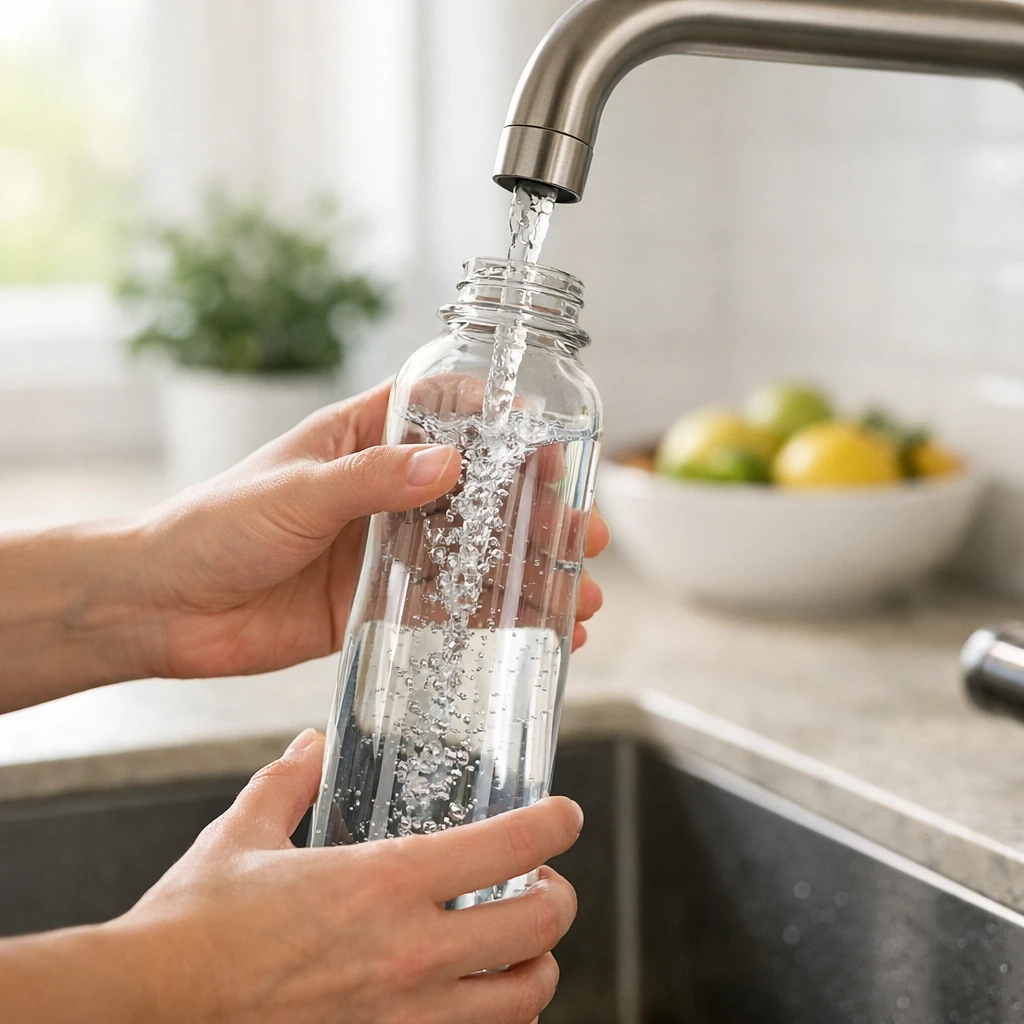
للزجاج حدود، وينبغي أن تذكر المقالة الجيدة ذلك بوضوح. أولاً، الزجاج أثقل من البلاستيك. كما أنه ينكسر. يسرد ملحق جامعة ولاية أيوا الوزن وقابلية الكسر من بين العيوب الرئيسية للعبوات الزجاجية. وهذا لا يجعل الزجاج غير صحي، لكنه يؤثر على السلامة والراحة اليومية. تشكل الزجاجة المكسورة خطرًا جسديًا حقيقيًا. بالنسبة للأطفال الصغار أو ممارسة الرياضة في الهواء الطلق أو الاستخدام القاسي أثناء السفر، قد تكون مادة أخرى أكثر عملية.
ثانياً، لا تبقى أي زجاجة صحية إذا كانت متسخة. تحذر كليفلاند كلينيك من أن زجاجات المياه القابلة لإعادة الاستخدام من جميع المواد، بما في ذلك الزجاج، يمكن أن تحمل البكتيريا والعفن إذا لم يتم تنظيفها جيداً. وتشير إلى أن الأغطية والأجزاء القابلة للإزالة والقش والمناطق الضيقة يمكن أن تحبس التراكمات. وبعبارة أخرى، لا تعتمد القيمة الصحية للزجاجة الزجاجية على المادة المستخدمة فحسب، بل تعتمد أيضًا على عادات النظافة الصحية للمستخدم. الزجاجة النظيفة الخالية من البلاستيك جيدة. الزجاجة الزجاجية المتسخة ليست كذلك.
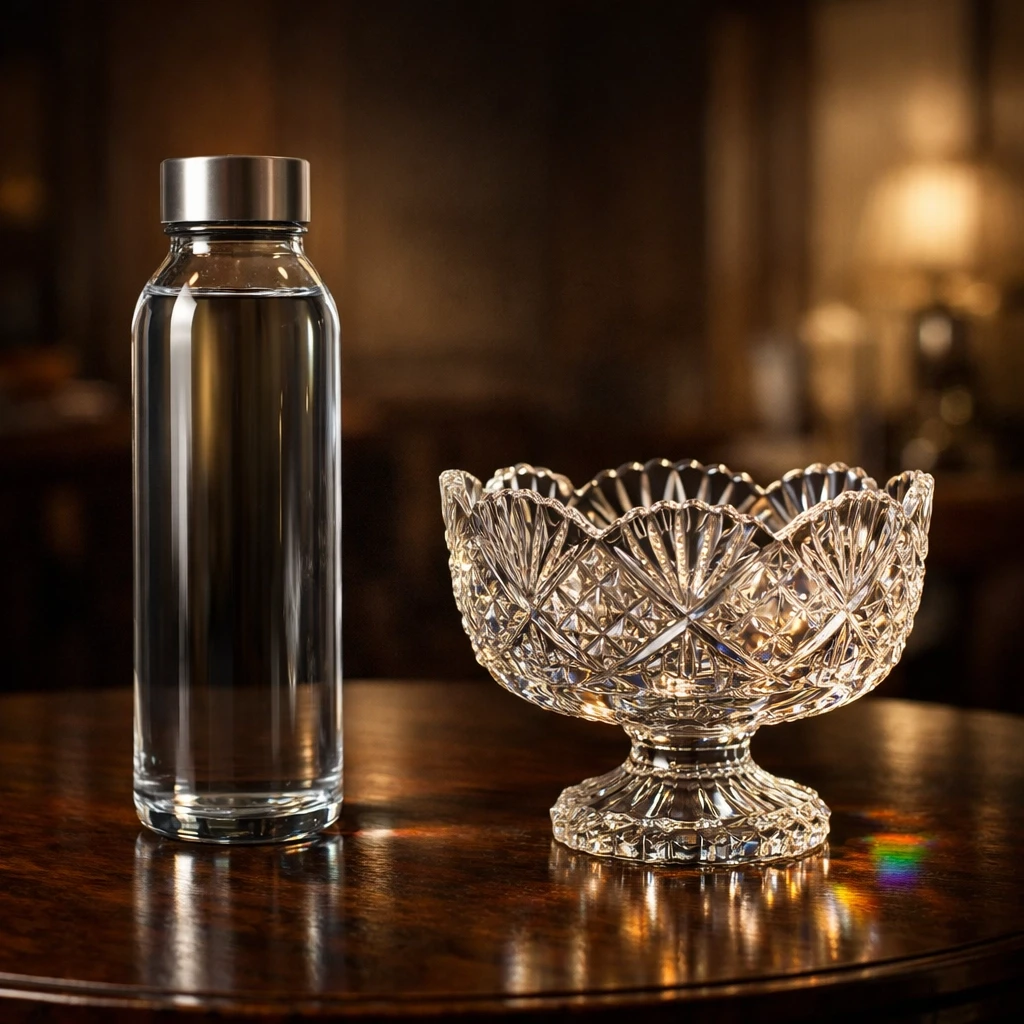
ثالثًا، لا ينبغي التعامل مع كل زجاجة “زجاجية” في السوق بنفس الطريقة. هذا هو أحد أهم أجزاء الموضوع. يختلف الكريستال الرصاصي عن زجاج القوارير الحديث الخالي من الرصاص. تقول هيئة الصحة الكندية إن الرصاص يمكن أن ينتقل من الأواني الكريستالية الرصاصية إلى الطعام أو المشروبات، ويزداد الخطر مع زيادة حموضة المشروبات ووقت التخزين الأطول. كما يشير مركز مكافحة الأمراض والوقاية منها (CDC) إلى أن الرصاص قد يوجد في قطع الكريستال الرصاصية العتيقة أو القديمة. تذكر إدارة الغذاء والدواء الأمريكية أنه لا يوجد مستوى آمن معروف للتعرض للرصاص. لذلك إذا كان المستهلك يريد زجاجة أكثر صحة، فإن الهدف الصحيح هو زجاجة زجاجية حديثة خالية من الرصاص من مورد موثوق به، وليس زجاجة كريستال مزخرفة أو أواني شرب عتيقة غير معروفة.
هذه النقطة أكثر أهمية بالنسبة للعائلات التي لديها أطفال وللمستخدمين الحوامل. تشير وزارة الصحة الكندية إلى أن الرضع والأطفال حساسون بشكل خاص للتعرض للرصاص، وأن التعرض أثناء الحمل يشكل مصدر قلق أيضاً. لذلك عندما تتحدث علامات تجارية مثل مجموعة Jingbo Group عن العبوات الزجاجية الآمنة، يجب أن تعني كلمة “آمنة” دائمًا خالية من الرصاص، وجاهزة للتلامس مع الطعام، ومصنوعة للاستخدام الفعلي للمشروبات. الزجاجة المزخرفة الجميلة لا تعني تلقائيًا نفس الشيء.
كيفية اختيار زجاجة مياه زجاجية صحية أكثر
إذا كان الهدف هو الصحة، فلتكن قواعد الشراء بسيطة. اختر زجاجة مصنوعة من زجاج خالي من الرصاص، من الدرجة الغذائية. اشترِ من الشركة المصنعة أو المورد الذي يذكر بوضوح المادة والاستخدام المقصود. تجنب المنتجات المزخرفة غير الواضحة أو القطع الكريستالية القديمة أو العبوات القديمة المطلية للاستخدام اليومي للمياه. قد تبدو هذه المنتجات جذابة، لكنها ليست الخيار الذكي للترطيب المنتظم.
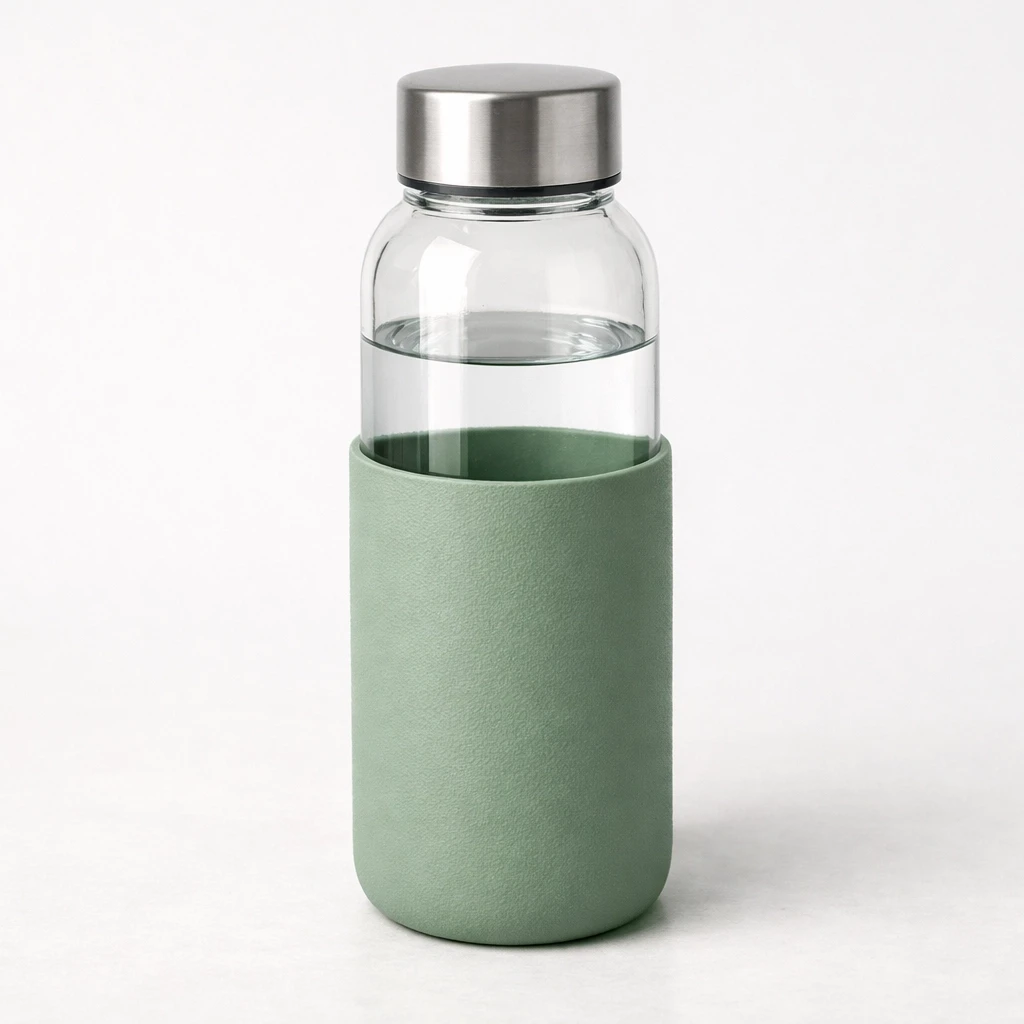
من المفيد أيضًا اختيار زجاجة ذات تصميم بسيط. الفم الواسع أسهل في الغسل. الغطاء ذو الأجزاء المخفية الأقل سهولة في الحفاظ على نظافته. يكون الغطاء القابل للإزالة مفيداً إذا كان يمكن تنظيفه جيداً. إذا كنت تسافرين كثيراً، يمكن أن يقلل الغلاف المصنوع من السيليكون أو الطبقة الخارجية الواقية من خطر الكسر. قد تبدو هذه التفاصيل صغيرة، لكنها تشكل ما إذا كانت الزجاجة ستبقى نظيفة وآمنة وصالحة للاستخدام مع مرور الوقت. تدعم نصائح كليفلاند كلينك بشأن نظافة الزجاجة قيمة التصميم سهل التنظيف.
بالنسبة للكثير من المشترين، فإن أفضل إعداد هو زجاجة زجاجية للعمل المكتبي أو للاستخدام المنزلي أو للترطيب اليومي في الأماكن المغلقة، بالإضافة إلى زجاجة أكثر صلابة لظروف السفر الأكثر تطلبًا. هذا ليس حلاً وسطاً. إنه ببساطة مطابقة المادة مع حالة الاستخدام. في مجموعة Jingbo Group، نرى المزيد من المشترين يفكرون بهذه الطريقة الآن. فهم لا يريدون زجاجة واحدة لحل جميع الحالات. إنهم يريدون الزجاجة المناسبة للحظة المناسبة، مع الثقة الواضحة في المواد في المركز.
الخاتمة
إذاً، هل زجاجات المياه الزجاجية صحية أكثر؟ في معظم المقارنات اليومية مع البلاستيك، نعم. فالزجاج غير تفاعلي وغير سام وخالٍ من مادة BPA حسب اختيار المواد، وخالٍ من جدار الزجاجة البلاستيكية التي تقلق الكثير من المستهلكين عندما يفكرون في التلامس الكيميائي واللدائن الدقيقة. ومع ذلك، تظل الإجابة الأفضل هي الإجابة المتوازنة. يعتبر الزجاج خياراً صحياً فقط عندما يكون حديثاً وخالياً من الرصاص، ويتم تنظيفه بشكل صحيح ويستخدم في المكان المناسب. لا يتناسب الكريستال المزخرف والأواني الزجاجية العتيقة والزجاجات المتسخة القابلة لإعادة الاستخدام مع هذا المعيار.
من مجموعة جينغبو من وجهة نظر، هذا هو سبب احتفاظ الزجاج بقيمته في السوق. لا يتعلق الأمر بالمظهر فقط. بل يتعلق الأمر بالثقة والأداء المستقر للمواد، وقصة أنظف للمستخدم النهائي. بالنسبة للأشخاص الذين يريدون إجابة بسيطة يمكنهم التصرف على أساسها، فهي هذه: اختر زجاجة زجاجية خالية من الرصاص من صانع موثوق به وحافظ على نظافتها واستخدمها في المكان الذي يناسب روتينك اليومي. وهنا تظهر الميزة الصحية الحقيقية للزجاج.